
Introduction
In the ever-changing world of blogging, getting people to visit your blog is really important. Blog traffic means the number of people who come to your blog, and it’s influenced by things like search engines, social media, and direct visits. Blog traffic is super important because it gets people interested, makes your blog more visible, and can even lead to making money.
Key Takeaway: Getting people to visit your blog is crucial for its success.
You can achieve this in many ways:
- Using search engines and optimize for Google searches
- Using platforms like Pinterest
- Connecting with social media communities
- Spending money on ads
Each of these methods has its own advantages and challenges, but together they create a complete strategy for reaching more people with your blog.
Starting this journey requires careful planning and consistent effort. Are you ready to discover the 10 proven strategies? Let’s get started!
1. Conduct Thorough Keyword Research

Driving substantial traffic to your blog begins with keyword research. This fundamental step in content strategy can set your blog on the path to online visibility and engagement.
Importance of Keyword Research in Content Strategy
Understanding what your audience is searching for allows you to create content that meets their needs. Proper keyword research helps you:
- Identify trending topics within your niche
- Target specific phrases that potential readers use
- Increase your chances of ranking higher in search engine results
Keyword research isn’t just about finding popular terms; it’s about discovering the right keywords that align with your blog’s focus and audience’s intent.
Tools for Effective Keyword Research
Utilizing the right tools can make keyword research more efficient and insightful. Here are some effective SEO tools:
- SEMRush: A comprehensive platform that offers keyword analytics, competitive analysis, and insights into trending keywords.
- Google Search Console: Provides data on how your site performs in Google Search, including search queries, impressions, and click-through rates.
- Ahrefs: Known for its robust backlink data and keyword explorer tool.
- Ubersuggest: Offers keyword suggestions, search volume data, and competition analysis.
Each tool brings unique features to the table, enhancing your ability to craft a targeted content strategy.

How to Choose the Right Keywords for Your Niche
Selecting the ideal keywords involves balancing search volume with relevance to your niche:
- Long-tail Keywords: These are specific phrases (e.g., “best vegan recipes for beginners”) with lower search volumes but higher intent. They often convert better as they target niche audiences.
- Search Intent: Understand whether users are looking for information (informational intent), wanting to make a purchase (transactional intent), or seeking a particular website (navigational intent).
- Competitor Analysis: Examine which keywords competitors rank for and identify gaps or opportunities they might have overlooked.
By focusing on these aspects, you can curate a list of keywords that not only attract traffic but also engage readers effectively.
Keyword research lays the groundwork for a successful SEO strategy, building a bridge between what readers seek and what your blog offers.
2. Optimize Your Blog for SEO
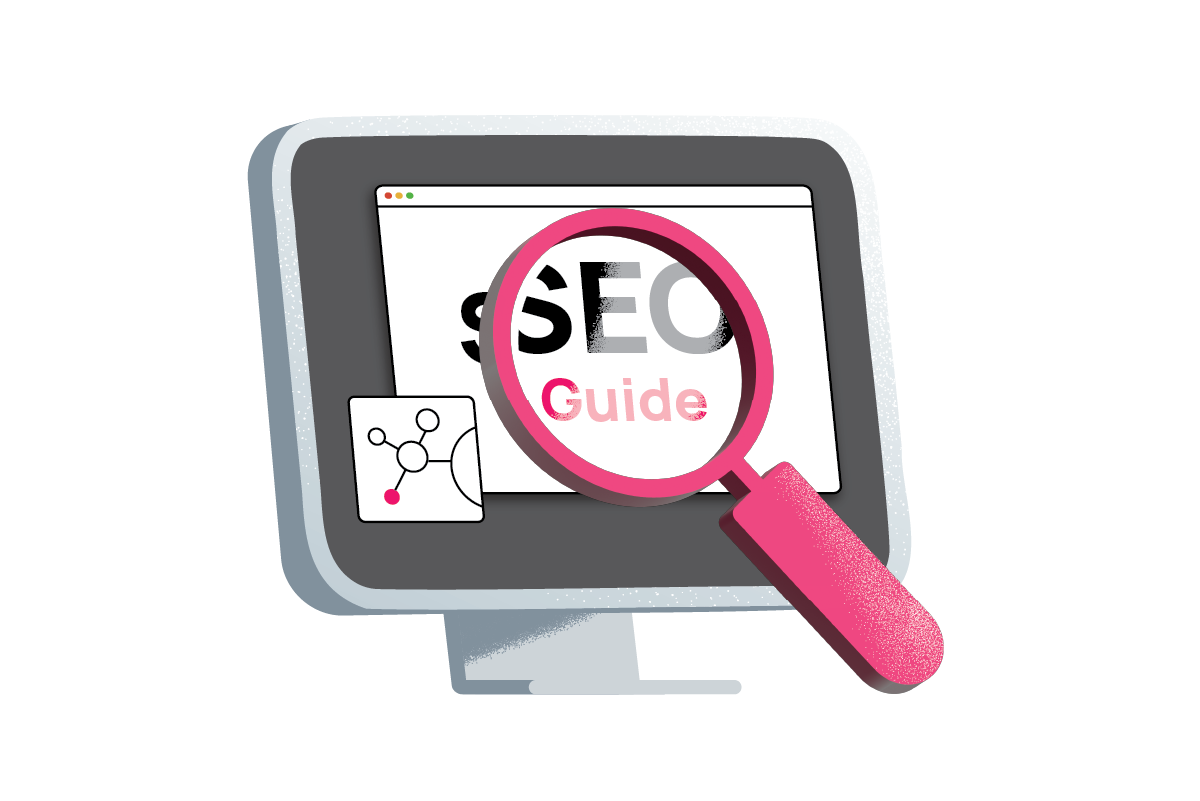
SEO optimization is the backbone of driving organic traffic to your blog. Understanding the differences between on-page and off-page SEO techniques is crucial.
On-Page vs. Off-Page SEO Techniques
On-Page SEO focuses on elements within your website that you can control directly:
- Content Quality: Ensure your content is comprehensive, valuable, and relevant to your target audience.
- Keyword Placement: Use primary keywords in strategic locations—titles, headers, meta descriptions, and throughout the content naturally.
- Internal Linking: Connect related articles within your blog to keep readers engaged and improve site navigation.
Off-Page SEO involves activities outside your website that can impact your search engine rankings:
- Backlinks: Earn high-quality backlinks from reputable sites to enhance credibility.
- Social Signals: Increase social media engagement through shares, likes, and comments which can indirectly boost search rankings.
- Guest Blogging: Collaborate with other bloggers to reach new audiences and build authority.
Best Practices for Optimizing Headers and Images
Headers and images are often overlooked but play a significant role in SEO optimization.
Optimizing Headers
Headers (H1, H2, H3) structure your content making it easier for search engines to understand:
- Use Descriptive Titles: Titles should include primary keywords while being compelling enough to attract clicks.
- Hierarchical Structure: Organize content logically with H1 as the main title, followed by H2s for subsections, and H3s for further breakdowns.
Optimizing Images
Images add visual appeal and can enhance user experience when optimized correctly:
- Alt Text: Include descriptive alt text with keywords to help search engines index images properly.
- File Names: Use keyword-rich file names instead of generic ones like “IMG_1234”.
- Compression: Compress images without losing quality to ensure faster page load times—tools like TinyPNG are useful here.
By paying attention to both on-page and off-page SEO techniques along with optimizing headers and images, you set a strong foundation for improving your blog’s visibility.
3. Create High-Quality Content that Drives Traffic

Characteristics of Comprehensive and Evergreen Content
Creating content that stands the test of time—evergreen content—is a surefire way to keep driving traffic long after the initial publish date.
What makes content evergreen?
- Timelessness: The primary focus is on topics that remain relevant regardless of current events or trends.
- Depth: Comprehensive articles that cover a topic thoroughly tend to attract more readers and encourage longer engagement times.
- Clarity: Well-organized, easy-to-read content with clear headings and subheadings for better navigation.
Examples include:
- How-to guides
- Ultimate resource lists
- Case studies
How Pillar Articles Can Drive Traffic Over Time
Pillar articles serve as foundational pieces on your blog. They cover core topics in your niche and are often lengthy, detailed, and filled with valuable information. Over time, these articles can become key drivers of traffic.
Key benefits of pillar articles:
- Authority Building: Establishes you as an expert in your field.
- SEO Advantages: Due to their comprehensive nature, they are more likely to rank higher in search engines.
- Internal Linking Opportunities: You can link back to these articles from other posts, increasing their visibility.
Steps to create effective pillar articles:
- Identify Core Topics:Choose subjects central to your niche that you can delve into deeply.
- Research Extensively:Use credible sources and gather a wealth of information around the topic.
- Organize Clearly:Break the article into sections with subheadings and bullet points for readability.
Incorporating these strategies into your blogging practice not only elevates your content quality but also ensures a steady flow of visitors eager for insightful and valuable information.
4. Engage Your Audience with Live Content and Interactive Elements

Engaging your audience in real-time can significantly boost your blog traffic. Live blogging and streaming create an immediate connection with readers, fostering a sense of community and urgency.
Benefits of Real-Time Engagement Through Live Blogging or Streaming
Live blogging involves providing real-time updates on events, news, or any relevant topic within your niche. This method keeps readers coming back for the latest information and offers several benefits:
- Immediate Interaction: Readers can comment and ask questions as events unfold, making them feel part of the conversation.
- Increased Time Spent on Blog: Real-time updates encourage visitors to stay longer on your page, positively impacting your bounce rate.
- Sense of Urgency: Knowing that they might miss out on live updates, readers are more likely to visit your blog regularly.
Live streaming, on the other hand, offers a more personal touch by allowing you to interact with your audience through video. Platforms like Facebook Live, Instagram Live, and YouTube Live make it easy to stream content. Benefits include:
- Face-to-Face Interaction: Builds trust and rapport with your audience.
- Real-Time Feedback: Immediate reactions help you understand what resonates with your viewers.
- Expanded Reach: Streams can be shared across social media platforms, attracting new visitors.
Types of Interactive Elements That Increase User Engagement
Interactive content doesn’t stop at live blogging or streaming. Incorporating various elements can keep readers engaged and coming back for more:
1. Quizzes
Simple quizzes related to your blog’s topic can captivate readers’ attention. Tools like BuzzFeed Quizzes or Quizlet make it easy to create engaging quiz content.
Example: A travel blog could feature a quiz like “Which European City Should You Visit Next?”
2. Infographics
Visually appealing infographics can break down complex information into digestible pieces. Use tools like Canva or Piktochart to design stunning visuals.
Example: An infographic detailing the steps of keyword research for SEO.
3. Polls and Surveys
Quick polls or in-depth surveys allow readers to voice their opinions, creating a sense of involvement and investment in your blog’s content.
Example: A poll asking readers what type of content they prefer – guides, reviews, or tutorials.
These interactive elements not only enhance user engagement but also provide valuable insights into what your audience enjoys the most.
By leveraging live content and interactive elements effectively, you draw in more visitors while ensuring they stay engaged and invested in your material.
5. Build and Utilize an Email List to Drive Traffic to Your Blog
Building a strong email list is essential for effective email marketing and can greatly increase your blog traffic. Here are some strategies to help you get started:
Strategies for Building a Strong Email List
1. Offer Valuable Incentives:
- Create compelling lead magnets such as eBooks, checklists, or exclusive articles.
- Provide discounts or special offers for subscribers.
- Host giveaways that require email subscriptions.
2. Use Sign-Up Forms Strategically:
- Place sign-up forms in high-visibility areas like the sidebar, footer, and within blog posts.
- Utilize pop-ups and slide-ins sparingly but effectively to catch the reader’s attention.
3. Leverage Content Upgrades:
- Offer additional valuable content related to specific blog posts, accessible only through email subscription.
- Example: “Download this comprehensive guide on SEO for free by subscribing.”
4. Promote Your Newsletter:
- Regularly mention your newsletter in your blog posts.
- Highlight the unique benefits of subscribing.
Using Your Email List to Drive Traffic
Once your email list starts growing, it’s important to use it effectively:
1. Send Regular Updates:
- Keep your audience informed about new blog posts, updates, and relevant news.
- Maintain a consistent sending schedule (e.g., weekly or bi-weekly).
2. Personalize Your Emails:
- Use personalized greetings and tailor content based on subscriber interests.
- Segment your list to send more targeted and relevant emails.
3. Include Clear Call-to-Actions (CTAs):
- Ensure each email contains clear links back to your blog.
- Use engaging language for CTAs (e.g., “Read More,” “Discover Latest Insights”).
Email marketing remains one of the most effective ways to keep readers engaged and drive continuous traffic to your blog. By focusing on building a strong email list and using it wisely, you create a steady stream of visitors eager for your latest content.
6. Promote Your Blog Posts on Social Media and Online Communities

Social media promotion is a powerful tool that can significantly increase your blog traffic. Tapping into the vast user bases of platforms like Facebook, LinkedIn, Twitter, and Pinterest can expose your content to a wider audience.
Effective Strategies for Promoting Your Posts:
Facebook:
- Share on Your Page: Regularly posting your blog updates on your Facebook page keeps your followers informed and engaged.
- Join Relevant Groups: Participate in groups related to your niche. Share your posts when relevant to discussions—ensure it’s valuable and not spammy.
- Facebook Ads: Utilize targeted ads to reach specific demographics who might be interested in your content.
LinkedIn:
- Post on Your Profile: Sharing posts on your professional profile can attract readers from your network.
- LinkedIn Articles: Republish or summarize your blog posts as LinkedIn articles to reach a broader audience.
- Engage with Groups: Like Facebook, LinkedIn groups are fertile grounds for sharing knowledge and establishing credibility.
Twitter:
- Tweet Regularly: Consistent tweeting about your blog content with relevant hashtags can increase visibility.
- Engage with Followers: Respond to comments and engage in conversations to build a community around your blog.
- Twitter Chats: Participate in or host Twitter chats to discuss topics related to your niche, subtly promoting your blog.
Pinterest:
- Create Pinnable Images: Design visually appealing pins linking back to your blog posts.
- Join Group Boards: Collaborate with other pinners by joining group boards related to your niche.
- Consistent Pinning: Regularly pinning content ensures constant visibility on the platform.
- Automate Your Pinning: Using tools like Tailwind.
Tips for Success:
- Quality over Quantity: Focus on creating engaging, high-quality content rather than spamming multiple platforms.
- Analyze Performance: Use analytics tools provided by these platforms to track the performance of your posts and adjust strategies accordingly.
- Consistency is Key: Maintain a regular posting schedule that aligns with the best times for each platform’s audience.
Integrating these strategies into your routine can substantially boost traffic and engagement, driving more visitors back to your blog through social media promotion.
7. Generate Backlinks through Guest Blogging and Collaborations

Backlinking is a powerful tool to enhance your blog’s credibility and visibility. When reputable sites link back to your content, search engines recognize this as a sign of authority and relevance. This can significantly improve your blog’s ranking on search engine results pages (SERPs).
Guest blogging offers an excellent avenue for generating high-quality backlinks. By writing valuable content for other blogs in your niche, you not only gain exposure to a new audience but also earn backlinks to your own site.
How Backlinks Enhance Credibility and Visibility
- Improved Search Engine Rankings:
- Search engines view backlinks as votes of confidence.
- The more quality backlinks you have, the higher your blog will rank on SERPs.
- Increased Referral Traffic:
- Backlinks from popular sites can drive substantial traffic to your blog.
- Readers who find your guest posts engaging are likely to click through to your site.
- Enhanced Domain Authority:
- Consistent backlinking from reputable sources boosts your domain authority.
- A higher domain authority increases the likelihood of ranking well for competitive keywords.
Strategies for Effective Guest Blogging
- Research Potential Blogs:
- Identify blogs within your niche that accept guest posts.
- Look for blogs with high engagement rates and strong domain authority.
- Craft Compelling Pitches:
- Personalize your pitch to the blog owner or editor.
- Highlight how your content will add value to their audience.
- Create High-Quality Content:
- Ensure that the content you provide is original, well-researched, and relevant.
- Include natural, contextual backlinks to your own blog.
Collaborations for Backlinking
Collaborations with fellow bloggers or influencers can also yield fruitful backlinks. Consider:
- Content Swaps: Exchange guest posts with another blogger.
- Roundup Posts: Feature insights from multiple experts, including yourself.
- Joint Webinars or Podcasts: Partner with others in your niche for co-hosted events.
By leveraging guest blogging and collaborations, you can effectively build a robust network of backlinks that elevate both traffic and credibility for your blog.
8. Use Visual Content Effectively in Your Blog Posts

Visual content is a game-changer when it comes to blogging. It doesn’t just break up the monotony of text but adds an element of engagement that can captivate your audience and make your content more digestible.
Importance of Visuals
1. Enhanced Appeal:
Blogs rich in visual content such as images, infographics, and videos tend to attract more readers. These elements catch the eye, making your blog aesthetically pleasing.
2. Improved Retention:
Research shows that people remember 80% of what they see and do compared to only 20% of what they read. Incorporating visuals can help readers retain information better.
3. Increased Shares:
Engaging visuals make your content more shareable on social media platforms, leading to increased visibility and traffic.
Types of Visual Content
1. Images:
- High-quality photos related to your topic can make your blog posts stand out.
- Stock photos or original photography can be used to illustrate points or convey emotions.
2. Infographics:
- These are excellent for presenting data and statistics in an easily digestible format.
- Tools like Canva or Piktochart can help you create stunning infographics without needing design expertise.
3. Videos:
- Embedding videos can provide a deeper understanding of the topic.
- Tutorials, reviews, and interviews are some video types that can enrich your blog content.
4. GIFs and Memes:
- These add a fun element and are especially effective in engaging younger audiences.
- They can make complex topics more relatable and entertaining.
5. Charts and Graphs:
- Useful for breaking down complex data into understandable chunks.
- Tools like Google Charts or Microsoft Excel can help create these visuals.
Best Practices for Using Visuals
- Relevance: Ensure all visual content is relevant to the topic at hand.
- Quality: High-resolution images and professional-looking videos enhance credibility.
- Attribution: Always give proper credit if you’re using someone else’s work.
- Accessibility: Use alt text for images to make your blog accessible to visually impaired readers.
Engaging visual content not only enhances the appeal of your blog but also contributes significantly to retaining reader interest and encouraging social shares, ultimately driving more traffic to your site.
9. Keep Your Content Updated to Maintain Traffic Levels

Regular updates are crucial for sustaining and increasing your blog traffic. Revisiting older posts and refreshing them with new information or insights can significantly enhance their relevance and value. Here are some strategies to keep your content updated:
Strategies for Revisiting Older Posts
- Identify High-Performing Content: Use tools like Google Analytics to identify posts that generate the most traffic. These high-performing articles are prime candidates for updates.
- Incorporate Recent Data: Replace outdated statistics or facts with current data. This not only improves the accuracy of your content but also enhances its trustworthiness.
- Add New Insights: Introduce new perspectives or additional information that wasn’t available when the original post was written. This can attract readers looking for fresh, comprehensive takes on familiar topics.
- Update Visuals and Links: Refresh old images, infographics, and links to ensure they are current and relevant. Broken links can hurt your SEO, so regular checks are essential.
- Revise Keywords: Conduct new keyword research to identify any shifts in search trends related to your topic. Update your content with these keywords to maintain its search engine ranking.
Benefits of Regular Updates
- Enhanced Credibility: Regularly updated content signals to readers that your blog is a reliable source of up-to-date information.
- Improved SEO: Search engines favor fresh content, which can help improve your rankings.
- Increased User Engagement: Updated posts can reignite interest among existing readers while attracting new visitors.
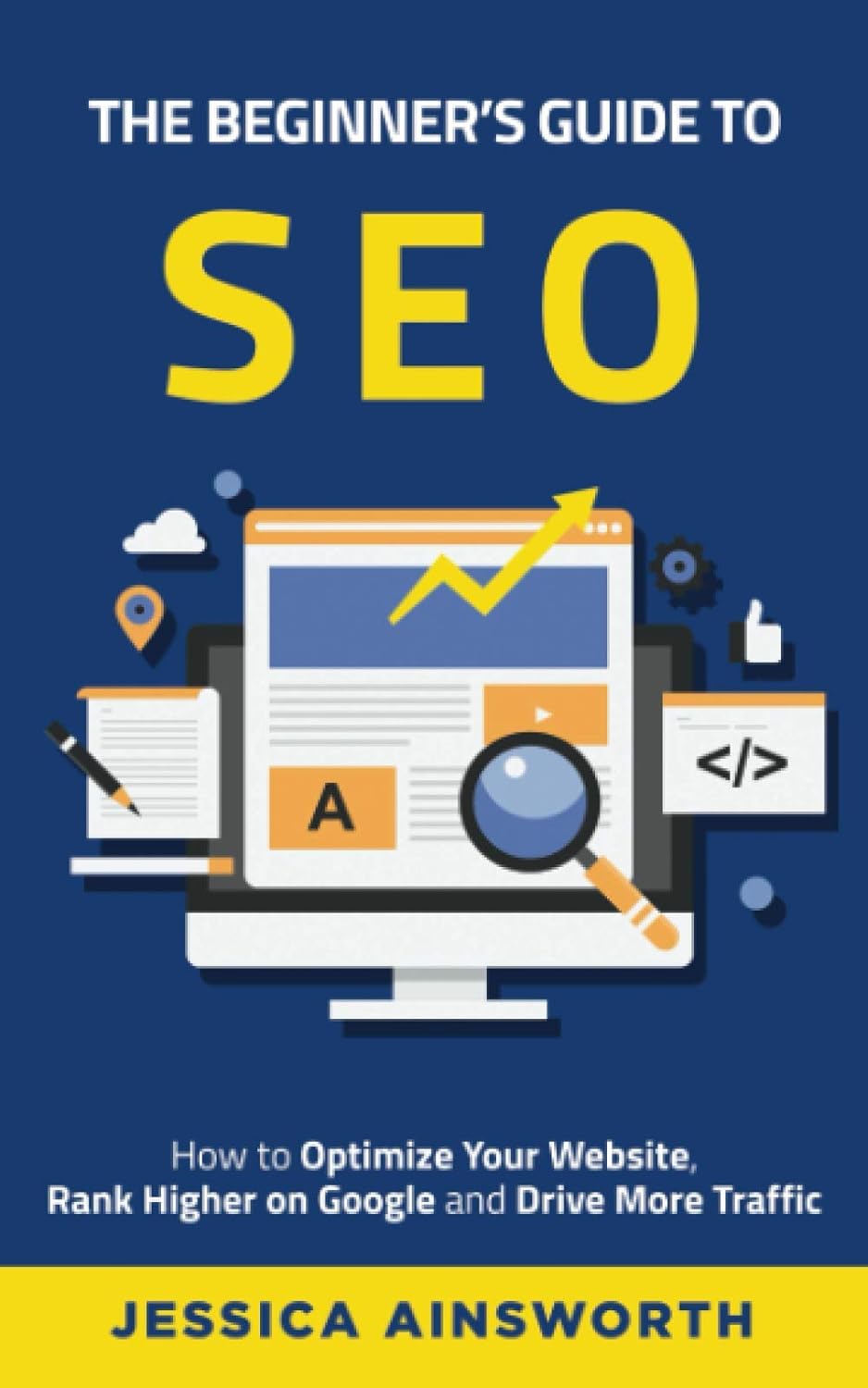
SEO Book with some good insights.
Keeping your content updated is not just about tweaking a few lines here and there; it involves a strategic approach to ensure each post remains valuable and engaging over time. By consistently revisiting and refreshing your blog posts, you maintain their relevance, enhance user experience, and ultimately boost traffic levels consistently.
Conclusion
Driving traffic to your blog isn’t a one-time task; it’s a continuous process that pays off over time. Begin with one or two strategies and implement them gradually. Consistency is key.
Why should you improve your blog traffic?
Here are a couple of testimonials from fellow bloggers:
“Increasing my blog traffic has not only boosted my ad revenue but also opened up numerous collaboration opportunities with brands.”
– Sarah, Lifestyle Blogger
“By focusing on these proven strategies, I’ve seen a significant increase in my readership and engagement, leading to a stronger online presence.”
For those looking to automate and optimize blogging efforts, consider visiting Tailwindapp.com. Tools like Tailwind can streamline your content promotion and help you boost website traffic more efficiently.
Implementing these strategies can significantly improve your blog performance. Start today, stay consistent, and watch as your blog traffic grows exponentially.
FAQs (Frequently Asked Questions)
Why is driving traffic to my blog important?
Driving traffic to your blog is essential for its success as it increases visibility, engagement, and potential revenue. Higher traffic can lead to more subscribers, better brand recognition, and opportunities for monetization.
What tools can I use for effective keyword research?
Tools like SEMRush and Google Search Console are excellent for conducting thorough keyword research. They help identify relevant keywords for your niche, analyze competition, and optimize your content strategy.
What are the best practices for optimizing my blog for SEO?
Best practices for SEO optimization include understanding the difference between on-page and off-page techniques, optimizing headers and images, using appropriate meta tags, and ensuring that your content is valuable and relevant to your audience.
How can I engage my audience with live content?
Engaging your audience through live blogging or streaming allows real-time interaction. Incorporating interactive elements like quizzes and infographics can further enhance user engagement, making your content more appealing.
What strategies should I use to build an email list?
To build a robust email list from your blog audience, consider offering incentives such as exclusive content or freebies. Regularly encourage sign-ups through clear calls-to-action on your blog posts and social media channels.
How do backlinks enhance the credibility of my blog?
Backlinks improve the credibility and visibility of your blog by establishing authority in your niche. Guest blogging and collaborations with other bloggers can help generate quality backlinks that drive more traffic to your site.




 Opinion Magnet
Leave a comment